Flight Information Logbook: A Practical Tool for Every Aviator
If you're an aviation enthusiast, a professional pilot, or someone who manages flight operations, a well-structured Flight Information Logbook is essential. This tool helps track critical details about flights, maintenance, and operational data. Whether you're logging hours for certification, managing a fleet, or simply keeping records for personal use, having the right logbook can make a big difference in your workflow.
Understanding the Flight Information Logbook
A Flight Information Logbook is more than just a notebook—it's a detailed record of all flight-related activities. It includes information such as departure and arrival times, fuel consumption, weather conditions, aircraft status, and pilot notes. For professionals, it's a legal requirement to maintain accurate records, while for hobbyists, it's a way to document their flying experiences.
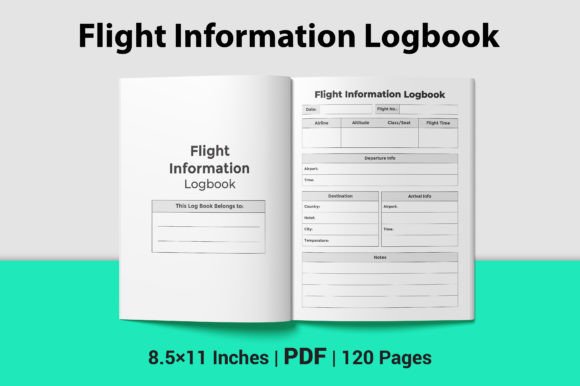
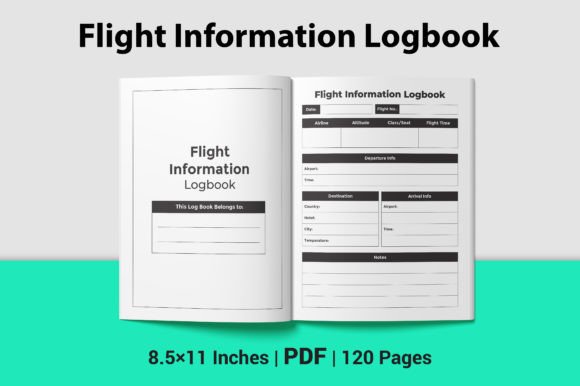
The Flight Information Logbook Interior refers specifically to the internal design and layout of the logbook. This includes the number of pages, formatting, and overall usability. Choosing the right interior ensures that your logbook meets your needs and fits seamlessly into your routine.
Common Mistakes When Choosing a Flight Information Logbook
Many people overlook important details when selecting a logbook, which can lead to inefficiencies and frustration. One common mistake is not checking the page count. Depending on how often you fly, you may need 100, 110, or 120 pages to ensure you have enough space for all your entries. Running out of pages mid-flight can be inconvenient and disrupt your workflow.
Another mistake is ignoring the file format. Some logbooks come with PDF, AI, EPS, and JPG files, which can be useful for digital backups or customizations. However, if you’re planning to upload directly to Amazon KDP, it’s crucial to confirm that the PDF is already optimized for printing and ready to use. A poorly formatted file can result in low-quality prints or issues during the upload process.
Why Bleed Matters in Logbook Design
Bleed is the extra area around the edges of a document that gets trimmed off during printing. If a logbook doesn’t include bleed, it could lead to white borders or misaligned text, especially if the printer isn’t precise. Always check whether the Flight Information Logbook Interior includes bleed to ensure a clean, professional look when printed.
Key Considerations Before Making a Decision
Before purchasing or downloading a Flight Information Logbook, take the time to evaluate your specific needs. Ask yourself: How often will I use this? What kind of information do I need to track? Do I require digital access or just a physical copy? These questions can help narrow down your options and prevent costly mistakes.
For example, if you're a small business owner managing multiple aircraft, a logbook with a large number of pages and a clear, organized layout will save you time and reduce errors. On the other hand, if you're a beginner, a simpler design with fewer pages might be more practical and easier to manage.
How to Avoid Common Pitfalls
To avoid the most common mistakes, start by researching the available options. Look for logbooks that offer high-resolution interiors and are print-ready. This ensures that your final product looks professional and functions well. Also, verify that the files provided—such as PDFs—are compatible with your preferred software and printing services.
Don't forget to consider the cover design. While the Flight Information Logbook Interior is important, the cover plays a role in branding and presentation. If you're using the logbook for commercial purposes, a custom cover can enhance its appeal and make it stand out.
Practical Tips for Using Your Flight Information Logbook
Once you have your logbook, consistency is key. Make sure to update it regularly and keep it organized. Use clear headings, abbreviations, and notes to make future reference easier. For instance, instead of writing "weather was bad," you could note "cloudy with low visibility" to provide more context.
Additionally, consider creating digital backups of your entries. Even if you prefer a physical logbook, having a digital version can protect against loss and make it easier to share information with others. Many logbooks come with downloadable files, so take advantage of that feature to safeguard your data.
Final Thoughts on the Flight Information Logbook
A well-chosen Flight Information Logbook can streamline your operations, improve accuracy, and enhance your overall experience. By understanding the features that matter most—such as page count, file format, bleed, and print readiness—you can make an informed decision that suits your needs.
Remember, the goal is to find a logbook that works for you, not one that forces you to adapt to its limitations. With the right tools and a little planning, you can ensure that your logbook remains a valuable asset for years to come.